
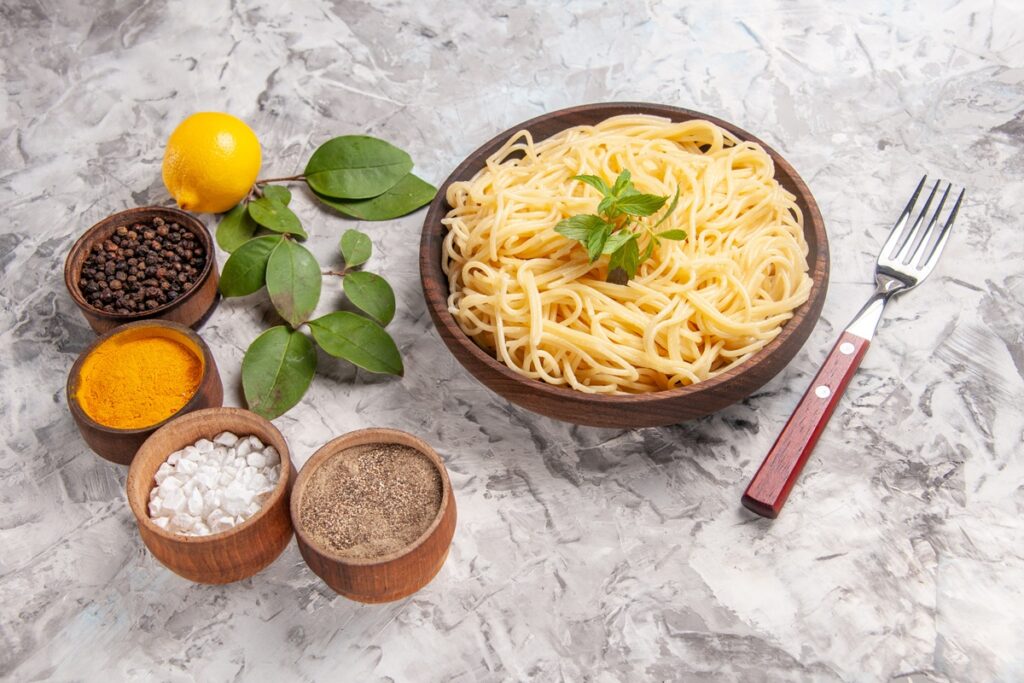
Noodles are one of the most commonly consumed convenience foods across households. From a quick evening snack to a simple meal option, noodles are loved by both adults and children. However, many popular options such as instant noodles, wheat noodles, or products similar to atta maggi often come with high levels of processing and limited nutritional value. This has increased the demand for healthy noodles made from natural ingredients. Millet noodles are gaining attention as a nutritious alternative to regular noodles. Made using traditional millets, they offer better nutritional balance while still being easy to cook and versatile in use.
Today, the market is filled with different types of noodles available in every noodles packet from refined flour-based options to vegetable and whole grain varieties. While products like maggi packet or other instant foods are convenient, they are often chosen for taste and speed rather than nutrition.
Millet-based noodles stand out because they are made using naturally nutrient-rich grains and can be included more frequently in daily meals.
Millets are ancient grains known for their health-supporting properties. Compared to refined flour noodles or standard wheat noodles, millet noodles generally provide:
Higher dietary fiber
Complex carbohydrates for steady energy
Plant-based protein
Naturally occurring minerals like iron and calcium
Light and easy digestion
These properties make millet noodles a more balanced option when compared to highly processed instant noodles.
The fiber content in millets helps improve digestion and supports gut health. Millet noodles are less heavy on the stomach compared to refined flour products.
Unlike refined carbohydrates that cause quick hunger, millet-based foods release energy slowly, helping maintain energy levels throughout the day.
Millet noodles are filling and satisfying, which may help reduce excessive snacking and support portion control.
Due to their mild taste and natural ingredients, millet noodles can be consumed by adults, elderly people, and children.
Millets have traditionally been used in baby and child nutrition in many cultures. When cooked properly, millet noodles can be a suitable meal option for children.
Soft-cooked millet noodles can be mashed or finely chopped
Easy to combine with vegetables for added nutrition
Mild texture supports early chewing and digestion
Provides natural energy for active growth
Supports digestive comfort
Can be prepared as simple vegetable noodles
Helps introduce healthier eating habits early
(New foods should always be introduced gradually and in small portions.)
Known for good fiber content and easy digestibility, suitable for regular meals.
Light and gentle on digestion, often preferred for balanced diets.
Provides sustained energy and plant-based protein.
Rich in minerals and fiber, suitable for everyday family meals.
Millet noodles can be cooked in a similar way to regular noodles and used in various dishes:
Stir-fried vegetable noodles
Light soups
Simple home-style meals
Child-friendly preparations
They offer a nutritious alternative to commonly consumed instant noodles without compromising on taste or convenience.
Millet noodles offer a nutritious and family-friendly alternative to conventional noodle products. Compared to options like atta maggi, refined wheat noodles, or packaged instant noodles, millet noodles provide better nutrition while remaining easy to prepare. Including millet noodles in everyday meals supports healthier eating habits for both adults and children.
Yes, millet noodles generally contain more fiber and nutrients compared to refined flour noodles, making them a healthier option for regular consumption.
Yes, millet noodles can be given to children when cooked soft and prepared with mild seasoning. They are often easier to digest than heavily processed noodles.
Millet noodles usually offer higher fiber and mineral content compared to standard wheat noodles, making them a more balanced choice.
Millet noodles cook quickly and can be prepared easily, similar to instant noodles, but with better nutritional value.
Yes, when included as part of a balanced diet with vegetables and protein, millet noodles can be consumed regularly.
Copyright © 2025 Magar Natural Food | All Rights Reserved
